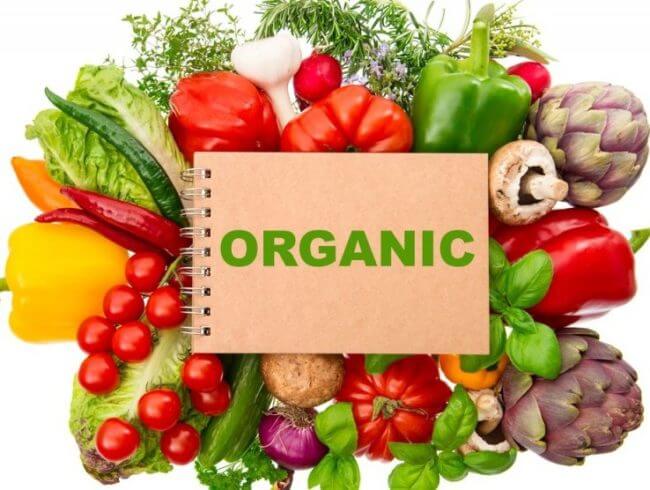
When it comes to eating healthy, the emphasis goes beyond just carbs, fat, protein, and calories. It even goes beyond food groups!
When you make the conscious decision to start eating healthier foods, it’s important to pay attention to what’s in your food.
Did you know that the nutritional value of most of our produce has decreased over the last few decades? The food we eat no longer gives us the nourishment it used to, requiring us to seek other sources of vital nutrients.
This is due to the increasingly more common use of pesticides and genetically modified foods (GMOs).
I recently heard someone making a comment about how there was no difference in taste between organic and conventional produce and thus it wasn’t worth the money. I then realized that there is a misconception among some of us regarding what organic really means. Organic doesn’t necessarily mean a better taste (although in some cases you might feel the difference), but a healthier option due to being pesticides and GMO free.
The benefits of eating organic go way beyond taste. Most foods are much better for your body, on multiple levels, when purchased organic. They’re closer to the earth and more care has been taken to ensure that they’re raised in a natural setting.
Beware These Foods: The Dirty Dozen
This is the list I discussed when this post was first published; the items on annual produce lists can change.
These foods have been named as the most likely to be contaminated by pesticides. If you’re on a budget, these are the foods you want to prioritize buying organic.
-
Peaches
-
Apples
-
Sweet Bell Peppers
-
Celery
-
Nectarines
-
Strawberries
-
Cherries
-
Pears
-
Grapes (Imported from elsewhere)
-
Spinach
-
Lettuce
-
Potatoes
Safer Bets: The Clean Fifteen
This list also reflects the time of the original post.
These foods are the least likely to contain pesticides, according to the President’s Cancer Panel. Because of their many layers and rough outer skin, these foods are less likely to be toxic when bought conventional.
-
Onions
-
Avocados
-
Sweet corn
-
Pineapples
-
Mango
-
Sweet peas
-
Asparagus
-
Kiwi fruit
-
Cabbage
-
Eggplant
-
Cantaloupe
-
Watermelon
-
Grapefruit
-
Sweet potatoes (also known as yams)
-
Sweet onions
Guidelines for Staying Safe When Buying Food
If you’re not able to purchase organic at a grocery store, farmer’s markets are a great alternative. Local farmers aren’t subjected to the same large-scale requirements of a corporate or a farm subsidized by the government. They’re usually more likely to use fewer pesticides and more natural methods when growing foods. Often, these small farmers carry organic produce, even if the label itself doesn’t say “organic.”
It’s also easier to buy foods that are in season if you have local sources. Farmers want to ensure that their stock doesn’t go bad before the next crop comes to flower. Eating seasonally is also statistically the best way to avoid food that has been genetically altered to remain fresh longer.
How about you? Where do you buy food in your neighborhood? Do you typically buy organic food? Why? Share your thoughts in the comments below! I’d love to hear from you!